Introduction
When it comes to emergencies, having a well-stocked first aid kit can make all the difference in providing immediate care and potentially saving lives. Whether you're at home, on the road, or on an outdoor adventure, having the right supplies can ensure that you're prepared for any situation. In this article, we will discuss the 10 must-have items for your first aid kit essentials. From basic medical supplies to specialized emergency equipment, we'll cover everything you need to know to assemble a comprehensive and effective first aid kit.
Best First Aid Kit in Texas
What makes a first aid kit the best?
Finding the best first aid kit can be challenging with so many options available in the market. However, there are a few key factors that set apart the top-quality kits from the rest. The best first aid kits are:
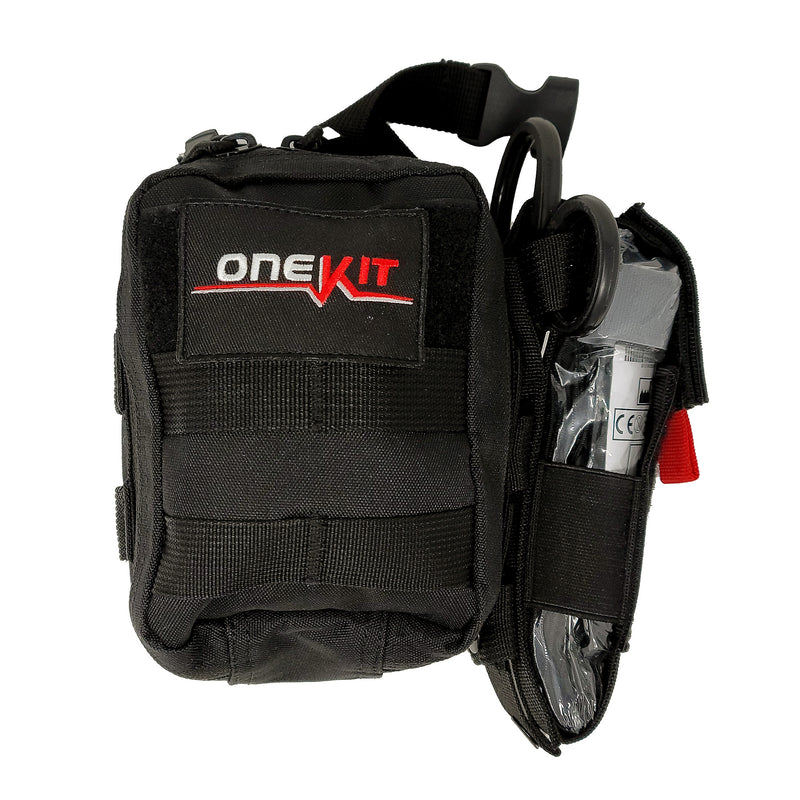
The best first aid kit in Texas
In Texas, where weather conditions can be unpredictable and accidents can happen at any time, it's crucial to have a reliable first aid kit on hand. One highly recommended option is the "Texas Safety Supply First Aid Kit." This kit meets all the criteria mentioned above and is specifically tailored to address common injuries and emergencies in Texas.
The "Texas Safety Supply First Aid Kit" includes:
Bandages of various sizes Sterile gauze pads Adhesive tape Antiseptic wipes Tweezers and scissors Instant cold pack Disposable gloves CPR face shield Emergency blanket First aid manualThis comprehensive kit provides all the necessary supplies to handle minor cuts, burns, sprains, and other common injuries. It's suitable for both home use and outdoor activities such as camping or hiking.
Complete First Aid Kit
What should a complete first aid kit include?
A complete first aid kit should have all the essential items to handle a wide range of injuries and emergencies effectively. Here are the 10 must-have items for your complete first aid kit:
Adhesive Bandages: These are useful for covering small cuts, blisters, and abrasions. Sterile Gauze Pads: These are used to clean wounds and apply medication or ointment. Adhesive Tape: This is used to secure bandages and dressings in place. Antiseptic Wipes: These help prevent infection by cleaning wounds. Tweezers: Useful for removing splinters or foreign objects from the skin. Scissors: Used for cutting tape, clothing, or bandages. Instant Cold Pack: Provides immediate relief for swelling or pain caused by injuries. Disposable Gloves: Essential for protecting yourself from bodily fluids during first aid procedures. CPR Face Shield: Protects both the rescuer and the patient during CPR procedures. First Aid Manual: Provides instructions on how to administer basic first aid techniques.By including these 10 items in your first aid kit, you'll be well-prepared to handle most common injuries and emergencies that may arise.
First Aid Kit Essentials
The importance of first aid kit essentials
First aid kit essentials are the essential items that should be included in every first aid kit, regardless of its size or purpose. These items serve as the foundation of any first aid kit and are crucial for providing immediate care in emergency situations. Here are some reasons why first aid kit essentials are so important:
Immediate Response: Having the necessary supplies readily available allows you to respond quickly to injuries or emergencies. Injury Prevention: By addressing injuries promptly, you can prevent them from worsening or becoming more severe. Professional Care Delay: In some situations, professional medical help may not be immediately available. First aid kit essentials can bridge the gap until professional help arrives. Peace of Mind: Knowing that you have the necessary supplies to handle emergencies can give you peace of mind, especially when traveling or participating in outdoor activities.Essential Kit for First Aid
To ensure that your first aid kit is equipped with all the essentials, here's a detailed list of items you should include:
Adhesive Bandages: Various sizes and shapes to cover different types of wounds. Sterile Gauze Pads: These are used for wound cleaning and dressing. Adhesive Tape: Used to secure bandages and dressings in place. Antiseptic Wipes: Important for cleaning wounds and preventing infection. Tweezers: For removing splinters or foreign objects from the skin. Scissors: Useful for cutting tape, clothing, or bandages. Instant Cold Pack: Provides immediate relief for swelling or pain caused by injuries. Disposable Gloves: Protects against contamination during first aid procedures. CPR Face Shield: Ensures safe and hygienic CPR procedures. First Aid Manual: Provides instructions on how to administer basic first aid techniques.Including these essential items in your First Aid Kit for Home Safety first aid kit will ensure that you're prepared to handle a wide range of injuries and emergencies effectively.
Emergency Medical Kit
The importance of an emergency medical kit
An emergency medical kit is a specialized first aid kit designed to handle more severe injuries and emergencies. While a regular first aid kit is suitable for minor cuts, bruises, or burns, an emergency medical kit provides additional supplies and equipment to address more critical situations. Here's why having an emergency medical kit is essential:
Serious Injuries: An emergency medical kit includes items such as splints, tourniquets, and trauma dressings to stabilize serious injuries until professional help arrives. Life-Threatening Emergencies: It contains specialized tools like automated external defibrillators (AEDs) or epinephrine auto-injectors for immediate response to life-threatening emergencies. Remote Locations: If you're traveling or participating in outdoor activities in remote areas, an emergency medical kit can provide the necessary supplies until help can be reached. Peace of Mind: Having an emergency medical kit ensures that you're prepared for worst-case scenarios, giving you peace of mind during your adventures or everyday life.Best Emergency First Aid Kit
When it comes to the best emergency first aid kit, one highly recommended option is the "RESCUE-1 Compact Trauma Kit." This kit is specifically designed to handle severe injuries and life-threatening emergencies. Here's what makes it stand out:
Comprehensive Supplies: The RESCUE-1 Compact Trauma Kit includes items such as trauma dressings, tourniquets, chest seals, and airway management tools to address a wide range of critical injuries. Compact and Portable: Despite its comprehensive nature, this kit is compact and lightweight, making it easy to carry and store. High-Quality Materials: The supplies are made from durable materials that can withstand extreme conditions. Organized and Easy-to-Use: The RESCUE-1 Compact Trauma Kit is organized into clearly labeled compartments for easy access during emergencies.Having the RESCUE-1 Compact Trauma Kit as part of your emergency preparedness plan can provide you with the necessary tools to handle severe injuries and life-threatening emergencies effectively.
First Aid Kit for Home Safety
Why do you need a first aid kit for home safety?
Accidents can happen anywhere, including within the comfort of your own home. Having a first aid kit specifically tailored for home safety is essential to ensure that you're prepared to handle any injuries or emergencies that may occur. Here's why you need a first aid kit for home safety:
Quick Response: Having a first aid kit readily available allows you to respond promptly to injuries and minimize their impact. Common Household Injuries: Home safety first aid kits include supplies such as burn dressings, instant cold packs, and eye wash solutions that are specifically designed to address common household injuries. Accessibility: Placing a first aid kit in an easily accessible location ensures that it is within reach during emergencies. Peace of Mind: Knowing that you have the necessary supplies to handle emergencies at home can give you peace of mind and reduce anxiety.What should be included in a first aid kit for home safety?
A first aid kit for home safety should include all the essential items needed to address common household injuries effectively. Here's a list of items that should be included:
By having these essential items in your first aid kit for home safety, you'll be equipped to handle the most common injuries that can occur within your household.
Basic Medical Supply
Importance of basic medical supplies
Basic medical supplies are the foundation of any first aid kit. These supplies are essential for providing immediate care and preventing further harm in emergency situations. Here's why basic medical supplies are so important:
Immediate Response: Basic medical supplies allow you to respond quickly to injuries and emergencies, providing immediate care while waiting for professional help. Versatility: These supplies can address a wide range of injuries, from small cuts to more severe wounds. Prevention of Infection: Basic medical supplies such as antiseptic wipes and sterile gauze pads help clean wounds and prevent infection. Stabilization: Items like adhesive bandages and adhesive tape can stabilize minor injuries until further medical attention is available.What are the basic medical supplies?
To ensure that your first aid kit is well-stocked with basic medical supplies, here's a comprehensive list of items you should include:
Adhesive Bandages: Various sizes and shapes to cover different types of wounds. Sterile Gauze Pads: Used for wound cleaning and dressing. Adhesive Tape: Secures bandages and dressings in place. Antiseptic Wipes: Cleans wounds and prevents infection. Tweezers: Removes splinters or foreign objects from the skin. Scissors: Cuts tape, clothing, or bandages. Instant Cold Pack: Reduces swelling or pain caused by injuries. Disposable Gloves: Protects against contamination during first aid procedures. CPR Face Shield: Ensures safe and hygienic CPR procedures. First Aid Manual: Provides instructions on how to administer basic first aid techniques.By including these basic medical supplies in your first aid kit, you'll have the necessary tools to handle most common injuries and emergencies effectively.
FAQs
Q1: How often should I check my first aid kit for expiration dates?
It is recommended to check your first aid kit for expiration dates at least once a year. This ensures that all the supplies are still usable and effective in case of an emergency.
A1: What should I do if I run out of a specific item in my first aid kit?
If you run out of a specific item in your first aid kit, it's important to replace it as soon as possible. Having all the necessary supplies readily available is crucial for providing immediate care during emergencies.
Q2: Can I customize my first aid kit based on my specific needs?
Absolutely! Customizing your first aid kit based on your specific needs is highly recommended. Consider the activities you frequently engage in, any pre-existing medical conditions, or any specific requirements for your family members when selecting supplies for your kit.
A2: Can I use expired items from my first aid kit in case of an emergency?
Using expired items from your first aid kit is not recommended. Expired medications or supplies may not be as effective or could potentially cause harm. It's best to replace expired items promptly.
Q3: Where should I store my first aid kit?
Your first aid kit should be stored in a cool, dry place that is easily accessible during emergencies. Avoid storing it in areas with extreme temperatures or high humidity, as this can affect the efficacy of some supplies.
A3: Can I reuse certain supplies from my first aid kit?
Some supplies, such as scissors or tweezers, can be cleaned and reused. However, items like adhesive bandages or antiseptic wipes are typically single-use and should be disposed of after use.
Conclusion
Having a well-equipped first aid kit is crucial for any emergency preparedness plan. By including the 10 must-have items discussed in this article, you'll be ready to handle a wide range of injuries and emergencies effectively. Whether it's for home safety, travel, or outdoor adventures, having the right supplies can make all the difference in providing immediate care and ensuring the well-being of yourself and those around you. Remember to regularly check your first aid kit for expiration dates and restock any supplies that have been used or expired. Stay prepared and stay safe!